

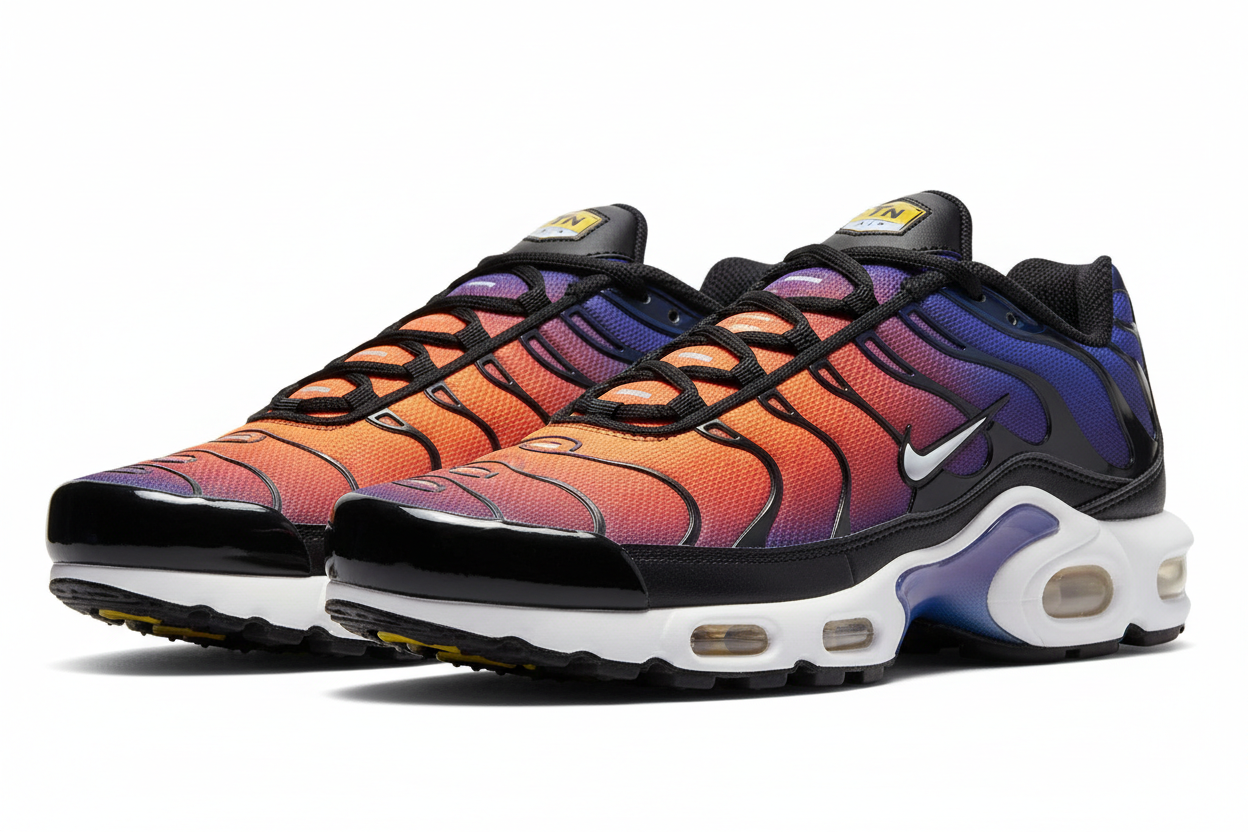

Hiking Boots: A Complete Guide to Choosing and Using them
Discover everything about hiking shoes: selection, use, care, models, and tips for successful adventures.
Table of Contents for this Guide
- Hiking Boots : A Complete Guide to Choosing and Using them
- 1. The Importance of Choosing Your Hiking Shoes Carefully
- 2. Types of Hiking Shoes
- 3. Technical Characteristics to Consider
- 4. The Right Fit: How to Test Your Hiking Shoes
- 5. The Best Hiking Shoes by Category
- 6. Energy Saving: How to Choose Efficient Shoes
- 7. Maintenance and Durability of Hiking Boots
- 8. Importance of Choosing Socks
- 9. Preparing for Your Next Adventures: Are There Any Limitations?
- 10. Innovations in the Hiking Footwear Industry
- 11. Mistakes to Avoid When Buying Hiking Boots
- 12. Conclusion: Proper Equipment for Navigating in the Heart of Nature
Hiking Boots : A Complete Guide to Choosing and Using them
Hiking is an outdoor activity that attracts millions of enthusiasts every year. Whether it's for a simple walk in the woods or a trek in the high mountains, choosing the right equipment is essential. Among these, hiking boots are a top priority. This article aims to explore this topic in depth, analyzing the various technical, aesthetic, and practical aspects related to this type of footwear.
1. The Importance of Choosing Your Hiking Shoes Carefully
Recommended selection


Choosing the right pair of hiking boots can dramatically transform your outdoor experience. Inappropriate footwear can lead to pain, blisters, and even injuries. Investing in a quality pair can not only improve your comfort but also ensure your safety on your adventures. Hiking boots play a vital role in shock absorption, injury prevention, and improving your endurance.
2. Types of Hiking Shoes
There are several types of hiking shoes suited to different activities and conditions. The main categories include:
- Lightweight hiking shoes : Ideal for occasional hikers.
- Intermediate hiking shoes : A good compromise between lightness and protection.
- Hiking boots: Recommended for difficult terrain and longer hikes.
- Hiking sandals: Perfect for summer hikes on easy terrain.
Each type has its own advantages, such as weight, flexibility, and protection.
3. Technical Characteristics to Consider
Video Analysis & Tips
To make an informed choice, it is crucial to understand the technical characteristics that define each model. Here are some of them:
| Characteristic | Importance | Example of close-up |
|---|---|---|
| Stem material | Ensures durability and breathability | Cooked vs Synthetic |
| Midsole | Guarantees cushioning and support | EVA or PU technology |
| Outsole | Provides traction on various terrains | Vibram vs Standard Rubber Soles |
| Impermeability | Protects feet from moisture | Gore-Tex membrane |
| Straps and tightening | Ensures a secure and snug fit | Traditional vs. quick lacing systems |
4. The Right Fit: How to Test Your Hiking Shoes
A good fit is essential to avoid discomfort and injury. Here are some tips for properly testing your shoes :
- Try on the shoes at the end of the day when your feet are slightly swollen.
- Wear hiking socks to simulate real-life conditions.
- Do the 'thumb' test: make sure there is about a thumb's width of space between your big toe and the front of the shoe.
- Walk with the shoe, making walking steps, going up and down.
- If possible, try to do a short test run outside.
5. The Best Hiking Shoes by Category
Complementary solutions


To make the choice easier, we have compiled a list of the best hiking shoes in each category, based on expert and user reviews.
| Category | Model | Main Features |
|---|---|---|
| Lightweight Shoes | Salomon X Ultra 3 | Lightweight, good grip, breathable |
| Intermediate Shoes | Merrell Moab 2 | Comfort, durability, multiple width options |
| Hiking Boots | Asolo Falcon GV | Protection, Vibram sole, waterproofing |
| Hiking Sandals | Chaco Z/Cloud | Comfort, grip, custom fit |
6. Energy Saving: How to Choose Efficient Shoes
On a hike, fatigue can quickly set in. Choosing shoes that conserve energy is therefore essential. Features like weight, sole flexibility, and cushioning play a crucial role in your endurance. For example, lightweight EVA soles offer excellent cushioning without adding too much weight, while heavier shoes can make your stride feel heavier.
7. Maintenance and Durability of Hiking Boots
To maximize the lifespan of your hiking boots , proper care is essential. Here are some key points to follow:
- Cleaning: Remove mud and debris after each hike to avoid damaging the materials.
- Drying: Never dry your shoes near a heat source. Opt for air drying.
- Waterproofing: Regularly apply a water-resistant treatment to the materials.
8. Importance of Choosing Socks
Socks play a vital role in the overall comfort you experience in your hiking boots . Synthetic or merino wool materials help manage moisture, reducing the risk of blisters. Choose socks that come up high enough to prevent rubbing against the edges of your boots . Thicknesses vary, so opt for thicker socks for longer hikes or rougher terrain.
9. Preparing for Your Next Adventures: Are There Any Limitations?
It's important to recognize that even the best shoes have their limitations. Always consider replacing your shoes as they show signs of wear. On strenuous hikes, a worn pair can compromise your safety. Assessing your hiking experience, personal goals, and the type of terrain you'll be tackling will be crucial in your purchasing decision.
10. Innovations in the Hiking Footwear Industry
The hiking footwear industry is constantly evolving with new technologies. Advances such as graphene-infused rubber soles, which offer superior grip, and the use of recycled materials demonstrate the growing importance of sustainability. Brands like Salomon and Merrell are investing in innovations aimed at improving comfort, performance, and durability while minimizing environmental impact.
11. Mistakes to Avoid When Buying Hiking Boots
It's common to make mistakes when buying hiking boots . Here are a few pitfalls to avoid:
- Ignoring the fitting: Don't rely solely on size, the fitting is essential.
- Choose based solely on aesthetics: Function must take precedence over form.
- Not inquiring about the finish: Some manufacturing techniques can affect durability and comfort.
- Basing your decision solely on price: A high price does not always guarantee quality.
12. Conclusion: Proper Equipment for Navigating in the Heart of Nature
In the world of hiking, shoes aren't just an accessory, but a fundamental piece of equipment. Choosing them requires careful consideration, based on technical criteria, your hiking style, and your personal comfort. There's no perfect pair for everyone, but by learning about the different options and testing several models, you'll be better prepared to explore the wonders of nature with confidence. Remember, the right shoes can make all the difference to your hiking experience, so take the time to choose wisely.
Frequently Asked Questions
Which hiking shoes are best for beginners?
For beginners, lightweight shoes with good cushioning like the Salomon X Ultra 3 are ideal, as they offer comfort and flexibility.
How long do hiking boots last on average?
The lifespan of hiking boots varies between 600 and 1000 km, depending on use and maintenance.
Is it necessary to waterproof hiking boots ?
Yes, it is recommended to waterproof your shoes , especially if you are hiking in wet areas, to prolong their lifespan.
Should I choose high-top or low-top shoes ?
It depends on the type of hiking. High-cut boots offer more support and protection, while low-cut boots are lighter and more flexible.
How important are socks with my hiking boots ?
Appropriate socks help prevent blisters and manage moisture, improving comfort during long walks.
About the editorial team
This article was written by our team of experts to provide you with a thorough and reliable analysis of the topic of "Hiking Shoes " . We are committed to selecting the most relevant information to answer your questions.

Discover our dress collection
See everything

Evening Dresses - Amelina


Evening Dresses - Nina


Evening Dresses - Olivia


