


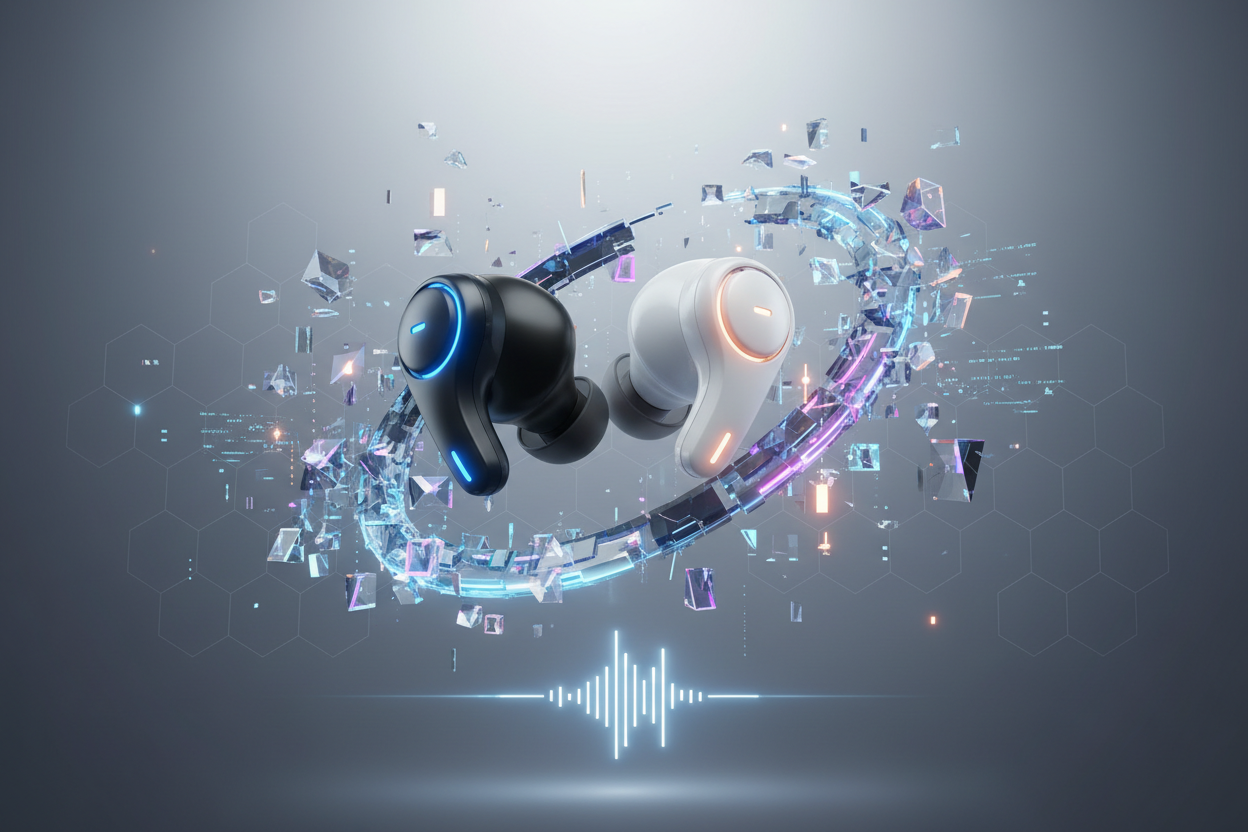
The World of Wireless Headphones: A Complete Guide and Advanced Techniques
Explore the world of wireless headphones with our comprehensive guide: features, technologies, buying advice and comparisons.
Table of Contents for this Guide
- Introduction
- 1. History and Evolution of Wireless Headphones
- 2. Understanding Bluetooth Technology
- 3. Different Types of Wireless Headphones
- 4. Technical Specifications of Wireless Headphones
- 5. Popular Brands and Models
- 6. The Advantages and Disadvantages of Wireless Headphones
- 7. Wireless Headphone Buying Tips
- 8. Maintenance and Lifespan Extension
- 9. Future Innovations in Wireless Headphones
- 10. Wireless Headphones and Hearing Health
- Conclusion
Introduction
In an era where wireless connectivity is becoming the norm, wireless headphones have established themselves as an essential accessory for both audiophiles and everyday users. Indeed, the quest for freedom of movement coupled with superior sound quality has propelled these devices to the top of global sales. Whether for listening to music, making hands-free calls, or enjoying podcasts, wireless headphones offer unprecedented flexibility and convenience.
In this article, we will explore in depth the various facets of wireless headphones: how they work, the technologies used, their evolution, and the criteria to consider when buying a model suited to your needs. We will also discuss current market trends and the application of these technologies in various fields, including sports, professions, and leisure.
1. History and Evolution of Wireless Headphones
Recommended selection
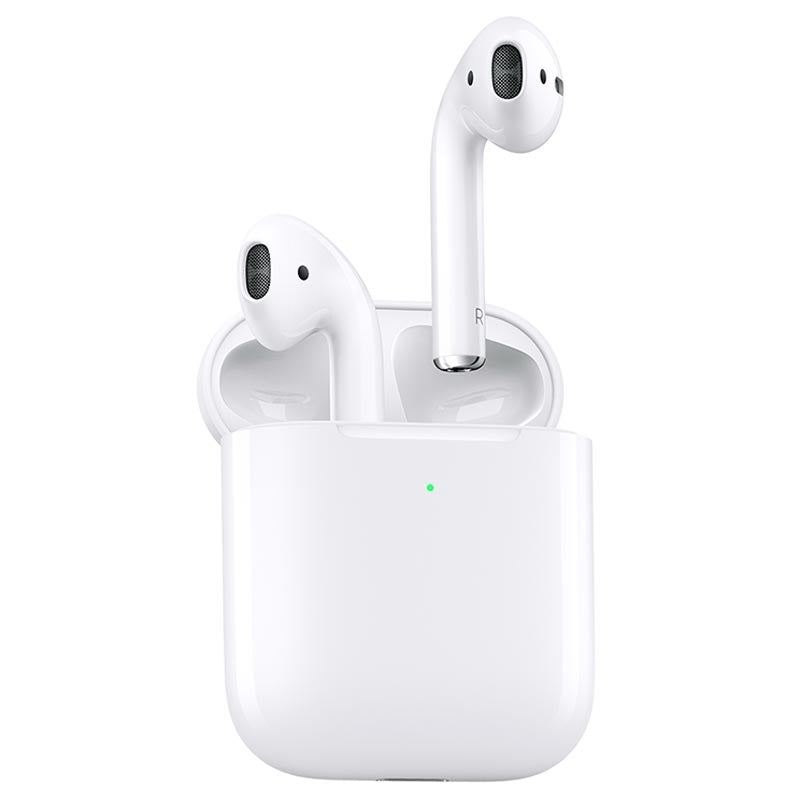

Wireless headphones, as we know them today, are the result of a long technological evolution. Their history begins in the 1970s with the first prototypes using infrared technology, which required a direct line of sight between the receiver and the transmitter. This early system was limited and impractical, leading engineers to seek more efficient solutions.
With the advent of Bluetooth technology in the 1990s, the headphone landscape changed dramatically. This communication protocol, designed for low-power connectivity, made it possible to connect devices over short distances without the clutter of cables. This gave rise to the first Bluetooth headphone models, which gradually gained popularity thanks to their convenience and portability.
Over the past two decades, we've witnessed a veritable explosion in available models, with brands like Apple, Samsung, and Sony now holding a dominant position in the market. The launch of Apple's AirPods in 2016, a landmark event, also set new expectations for design, connectivity, and features.
2. Understanding Bluetooth Technology
Bluetooth technology is the foundation of wireless headphones. But how does it actually work? Simply put, Bluetooth uses radio waves to enable communication between two devices. Devices capable of connecting via Bluetooth have specific chips that allow them to transmit and receive data within a typical range of 10 to 100 meters.
Bluetooth versions have evolved, with each update bringing significant improvements in connection speed, range, and energy efficiency. Version 5.0, for example, offers increased connection range (up to 240 meters outdoors) and double the data throughput compared to its predecessors. These advancements are crucial for the performance of wireless headphones, enabling uninterrupted, high-fidelity audio streaming.
3. Different Types of Wireless Headphones
There are several types of wireless headphones, each with its own features and advantages. Among the most common are:
- In-ear headphones: This model sits directly in the ear canal, offering superior sound isolation. Examples: AirPods Pro, Sony WF-1000XM4.
- On-ear headphones: These rest on the ear without completely covering it. Examples: Bose SoundLink Around-Ear.
- Over-ear headphones: Famous for their comfort, they completely surround the ear. Examples: Sennheiser Momentum Wireless.
4. Technical Specifications of Wireless Headphones
When buying wireless headphones, several technical characteristics must be taken into account:
| Characteristic | Description |
|---|---|
| Battery life | Measured in hours, this indicates how long the earbuds can operate without needing to be recharged. High-end models often offer extended usage times, reaching up to 30 hours with the charging case. |
| Sound quality | Evaluated by the supported codecs (AAC, aptX, SBC, etc.), the size of the drivers (generally between 8 and 12 mm) also affects the richness of the sound. A good frequency response is essential for a balanced audio experience. |
| Water resistance | Classified according to the protection rating (IPX), it determines resistance to splashes and dust. An IPX4 rating or higher is recommended for sports activities. |
| Connectivity | Latency is an important factor, especially for watching videos. Technologies like Low Latency Audio ensure perfect synchronization between sound and image. |
| Touch controls | Touch controls allow you to control playback, volume, and even access a voice assistant, without needing to touch the source device. |
5. Popular Brands and Models
The market is full of brands offering quality wireless headphones, but some stand out for their innovations and reputation.
- Apple AirPods: These are often considered the gold standard for wireless headphones, especially for iPhone users. Their seamless integration with the Apple ecosystem and their audio quality are beyond question.
- Samsung Galaxy Buds: A serious contender with excellent sound quality and above-average battery life. Their ergonomic design makes them very comfortable.
- Sony WH-1000XM4: Acclaimed for their noise cancellation efficiency, these headphones offer immersive sound and a range of smart features.
6. The Advantages and Disadvantages of Wireless Headphones
Like any product, wireless headphones have advantages and disadvantages. It is essential to evaluate these points to make an informed choice.
Benefits
- Freedom of movement: The absence of cables allows for unrestricted use, ideal when travelling or at the gym.
- Advanced technologies: Features such as active noise cancellation and voice assistants enhance the user experience.
- Portability: Compact and lightweight, these earphones easily slip into a pocket or bag.
Disadvantages
- Limited battery life: Although battery life has improved, it remains lower than that of wired models, requiring frequent recharging.
- Connectivity may be unstable at times: Interference can affect sound quality and connection continuity.
- Cost: In general, quality wireless headphones are more expensive than their wired equivalents.
7. Wireless Headphone Buying Tips
Given the variety of options available on the market, it can be difficult to choose the wireless headphones that best suit your needs. Here are some tips to narrow down your selection:
- Determine your use: Your choice of headphones should depend on your use: for sports, for work, or for everyday use.
- Test before you buy: If possible, try several models to assess comfort, sound quality and ease of use.
- Consider your budget: While less expensive options exist, investing in quality headphones can make a difference in terms of durability and performance.
8. Maintenance and Lifespan Extension
To keep your wireless headphones in good working order, regular maintenance is necessary. Here are a few tips:
- Cleaning: Use a soft, dry cloth to clean the earphones, avoiding moisture. Disinfectant sprays can also be used, but in small quantities.
- Regular charging: Avoid leaving your earbuds discharged for extended periods. A lithium-ion battery performs best when recharged regularly.
- Storage: Keep your earphones in their charging case when not in use to protect them from shocks and dust.
9. Future Innovations in Wireless Headphones
The wireless headphone market continues to evolve with constant innovation. Among the trends to watch are:
- AI enhancement: Future models will incorporate more artificial intelligence for advanced sound personalization and a more intuitive user interface.
- Noise reduction technology: New algorithms will be developed to improve the effectiveness of active noise reduction.
- Biometric interface: Headphones equipped with biometric sensors could monitor the user's health in real time.
10. Wireless Headphones and Hearing Health
With the widespread use of headphones, it's crucial to discuss hearing health. Studies have shown that prolonged listening to loud music can cause irreversible hearing damage.
To protect your hearing, it is advisable to follow a few simple rules:
- Listen at a moderate volume. A volume not exceeding 60% of capacity is recommended.
- Take breaks: use the 60/60 rule to listen at 60% volume for no more than 60 minutes at a time.
- Invest in models offering superior sound quality, which will allow you to listen even at lower volumes.
Conclusion
Wireless headphones have transformed the way we consume music and stay connected. While they are not without their challenges and limitations, technological advancements continue to make these devices increasingly appealing. Whether you're a music lover, an athlete seeking motivation, or a professional requiring high-quality communication, there's a wireless headphone model that will meet your needs. By keeping in mind the buying and care tips presented here, you'll be able to make an informed and lasting choice, while getting the most out of your listening experience.
Frequently Asked Questions
How to choose wireless headphones?
It is essential to determine your specific needs (sport, daily use, music), to test several models for comfort and sound quality, and to take your budget into account.
What is the difference between in-ear and on-ear headphones?
In-ear headphones sit inside the ear canal for maximum sound isolation, while on-ear headphones rest on the ear, offering a different level of comfort.
Are wireless headphones bad for your hearing?
Prolonged use at high volumes can cause hearing damage. It is crucial to listen at a moderate volume and take regular breaks.
What is the typical battery life of wireless headphones?
Battery life varies depending on the model, but most earbuds offer between 4 and 8 hours of use on a single charge, with the option of recharging via the case.
Are wireless headphones water-resistant?
Water resistance depends on the model, so it is advisable to check the protection rating (IPX) before using them in wet conditions.
About the editorial team
This article was written by our team of experts to provide you with a thorough and reliable analysis of the topic of "Wireless Headphones" . We are committed to selecting the most relevant information to answer your questions.

Discover our dress collection
See everything

Evening Dresses - Amelina


Evening Dresses - Nina


Evening Dresses - Olivia


